
Technology Designed and Manufactured in Barcelona, Spain
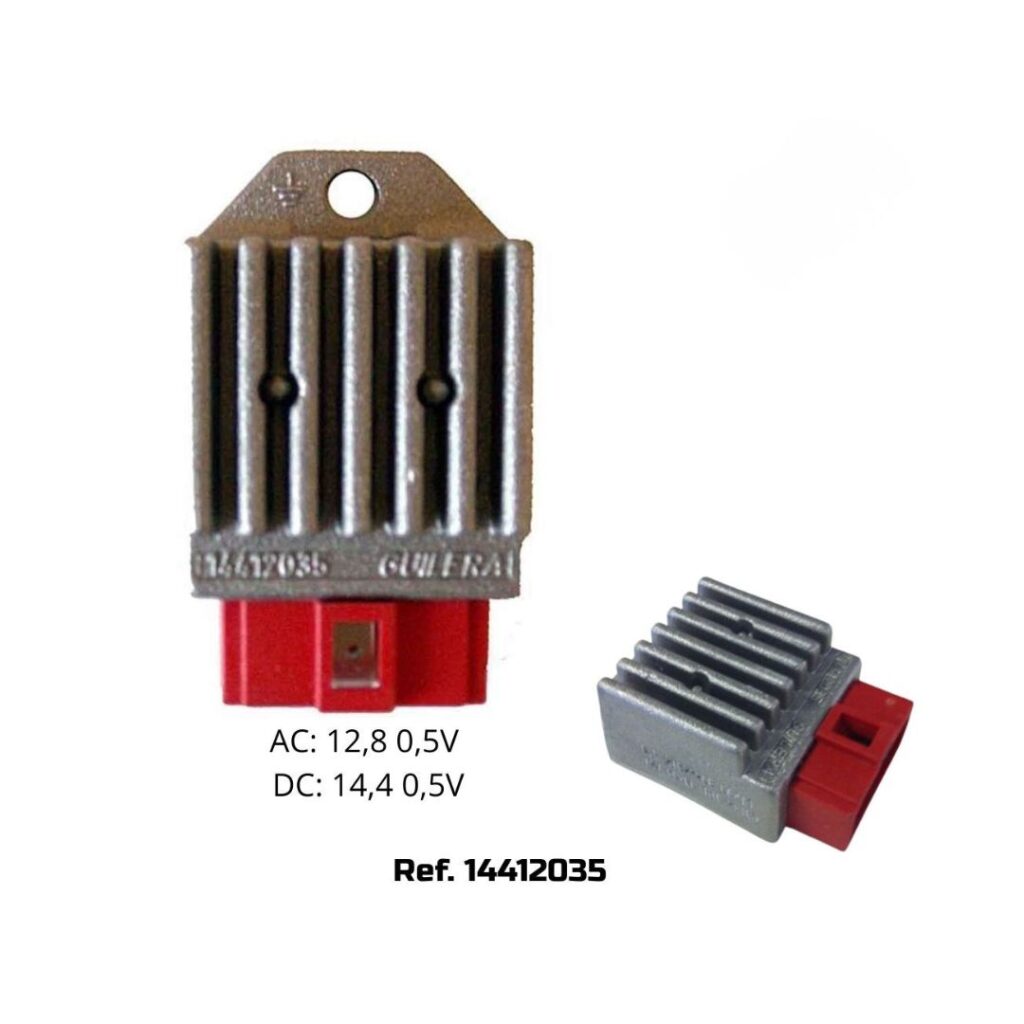
Within a motorcycle’s electrical system, the voltage regulator has a clear job. It transforms and stabilizes the energy coming from the alternator, ensuring that the battery and all electronic components operate within their normal range.
When voltage drifts outside those margins, problems start to appear one after another: batteries wear out prematurely, lights flicker, and electronic modules fail earlier than expected.
What a Regulator Does
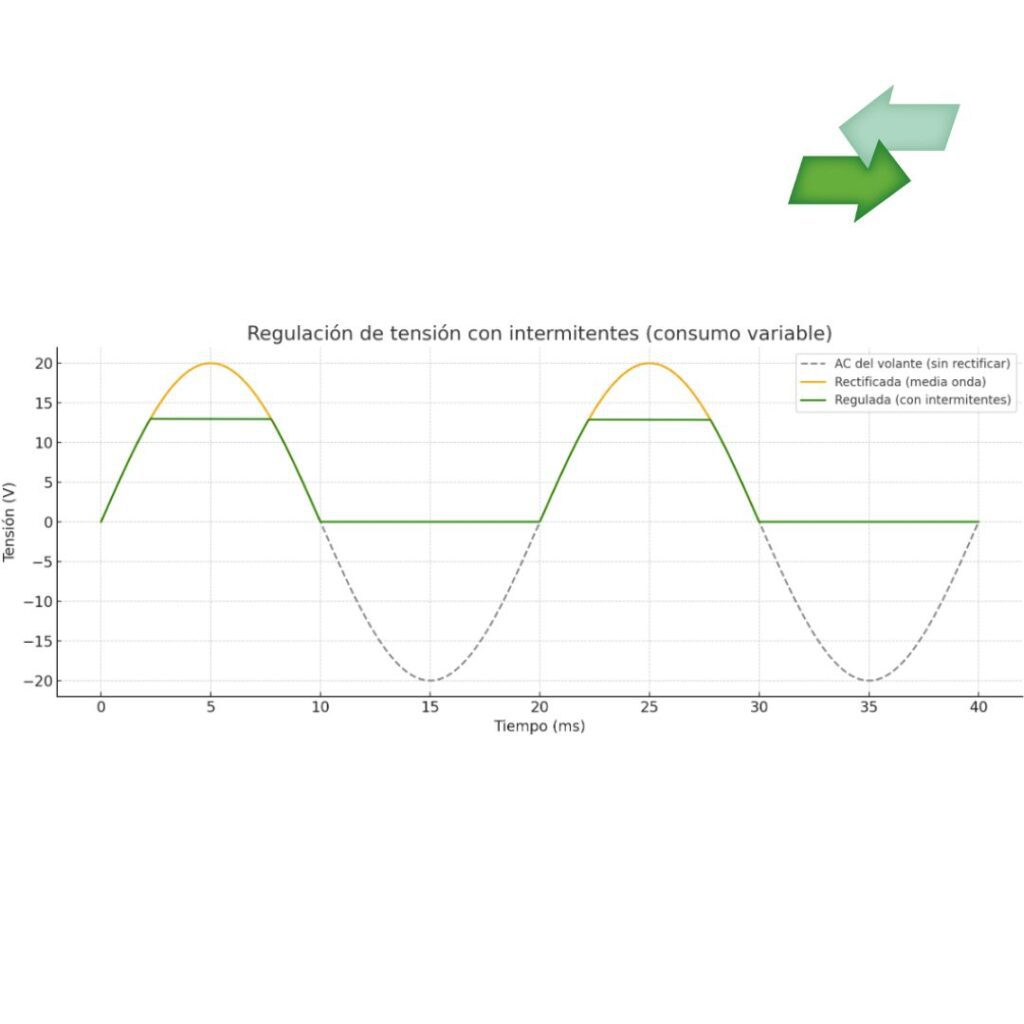
- Converts current (AC → DC)
The alternator generates alternating current, and the regulator converts it into direct current to power the entire electrical system. - Keeps voltage within its working range
At high engine speeds, voltage can rise significantly. The regulator controls this excess and dissipates it as heat, preventing overloads and protecting the onboard electronics.
Key Design Factors
Voltage regulators operate in demanding conditions. For them to work reliably and last over time, several aspects come into play:
- Temperature
Because they constantly dissipate energy, thermal design matters. Material choice, fin geometry, and dimensions all play a role in creating a genuinely robust product. - Mechanical and electronic resilience
Vibrations, humidity, dust, and thermal fluctuations can’t affect their performance. Regulators—like the rest of the motorcycle’s components—undergo extensive test programs, both on the component itself and on the motorcycle as a whole, to avoid failures in the field. - Size and integration
Space is often limited, especially on mopeds (increasingly rare as combustion vehicles) and off-road bikes—enduro, motocross, trial—where Europe still plays an important global role through brands like Rieju, Sherco, Fantic, Beta, Piaggio, KTM and many others.
Experience is key to designing compact, reliable regulators tailored to the geometry and specific needs of each model. - Compatibility with modern electronics
Modern motorcycles use LED lighting, ECUs and chargers that require more precise voltage control. On top of that, increasingly strict EMC regulations raise the technical bar, setting apart established suppliers from newcomers competing mainly on price, often without meeting European standards.
Why Guilera
At Guilera S.A., we design and manufacture our voltage regulators in Molins de Rei (Barcelona).
For over 70 years, we’ve worked with European OEMs, developing our own electrical topologies, thermal solutions and validation methods.
As a result, our production follows automotive standards with full traceability.
In addition to a wide range of standard models for the aftermarket—distributed through a network that grows year after year—we continue to develop tailor-made solutions for OEMs, adapting to each project’s specific requirements.
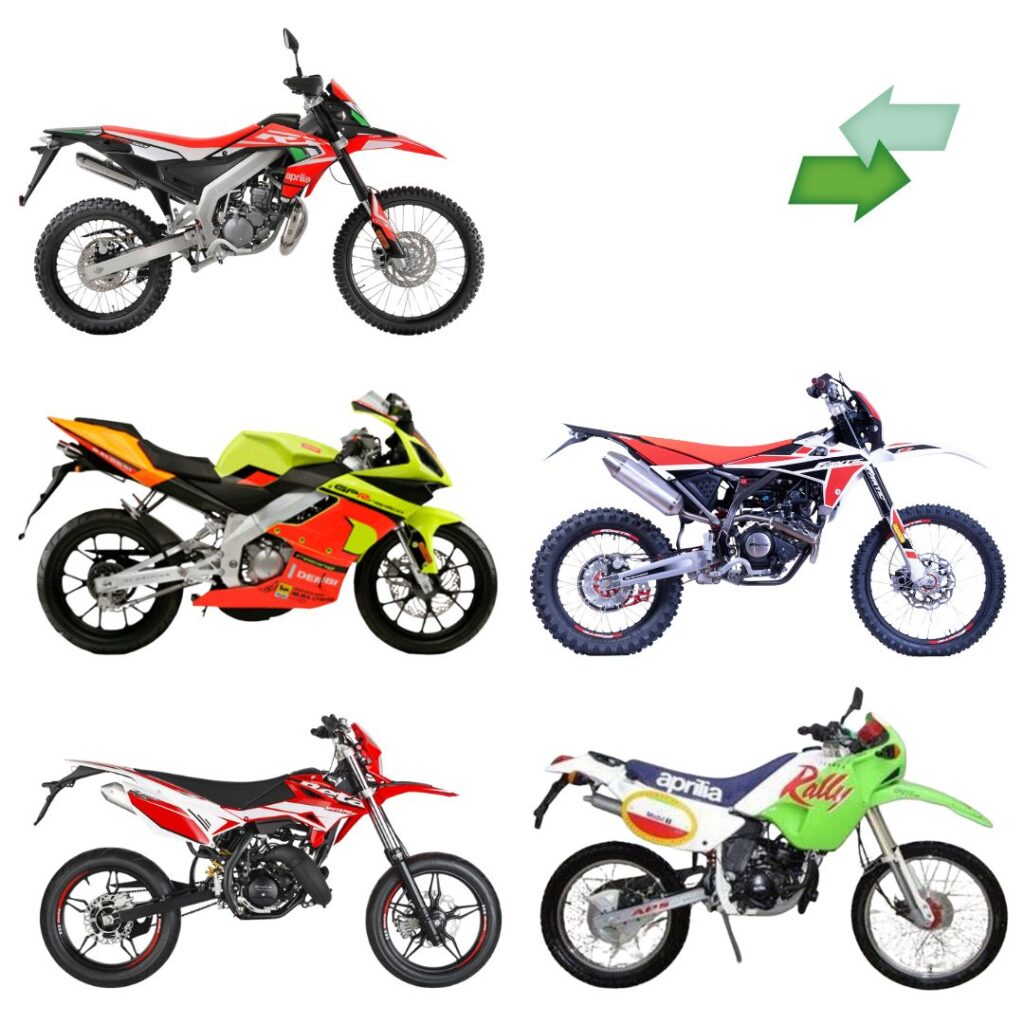
Our regulators are fitted to motorcycles from brands such as Vespa, Aprilia, Gilera, Beta, Cagiva, Rieju, Piaggio, Yamaha, and many others. We cover two fronts:
- OEM: custom development for new models.
- Aftermarket: equivalent and specific references for both modern and classic motorcycles, with one of the broadest ranges in Europe.
Through this growing distribution network, we continue to supply regulators for a wide variety of motorcycles still on the road—from vintage models to current ones. It’s a clear sign of something everyone in the industry knows: the motorcycle market remains very much alive, even with the still-limited arrival of electric models.
In Closing
A good regulator doesn’t draw attention. It doesn’t make noise, and it just works. But when it fails, you notice.
At Guilera, we’ve spent decades designing and manufacturing these components in Europe, combining in-house engineering, local production and long-term collaboration with manufacturers.
Whether you need a tailored regulator for an OEM project or a proven solution for the aftermarket, our team in Barcelona is ready to support you. Get in touch to discuss your application.


